How AI Can Transform Healthcare Analytics

Shah Zaib Ali
Technical Product Manager
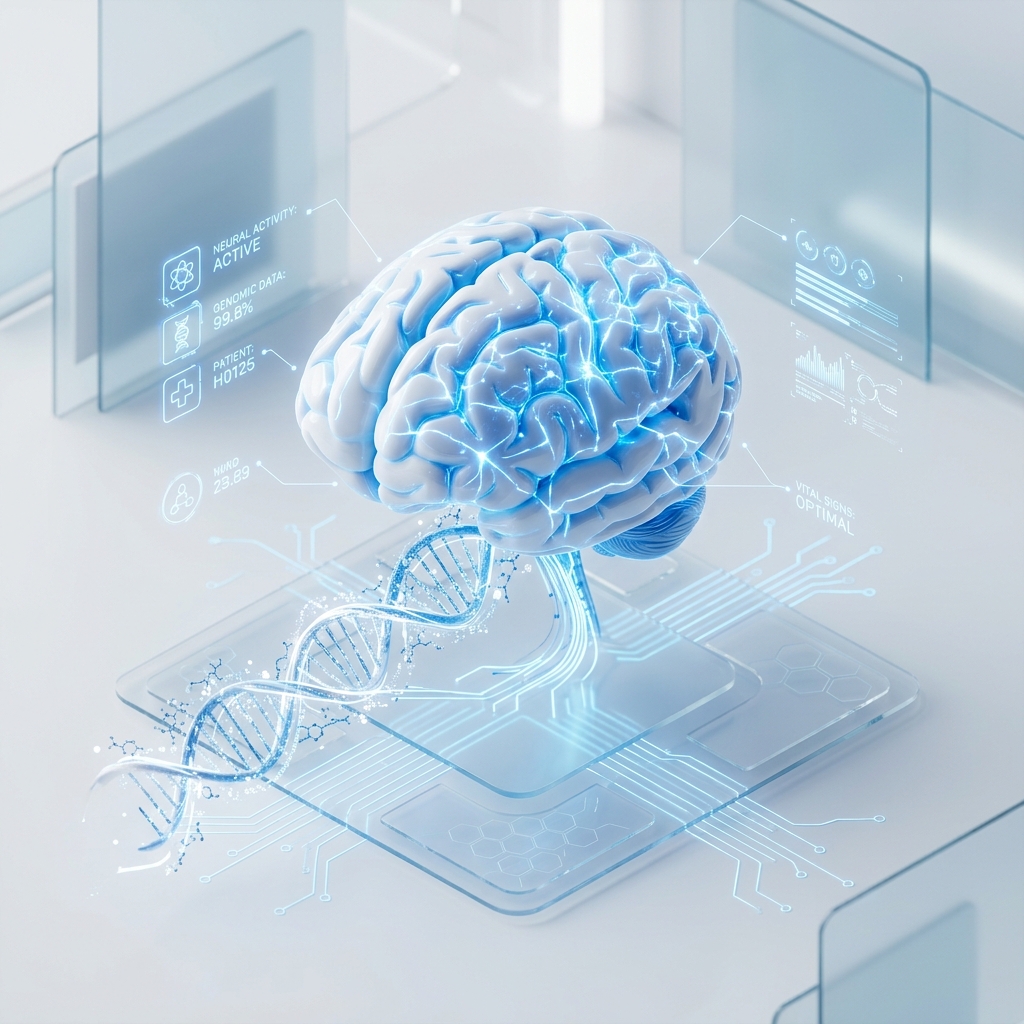
How AI Can Transform Healthcare Analytics
The healthcare industry is currently undergoing a massive transformation, moving from traditional descriptive analytics to advanced AI-driven predictive and prescriptive models. For years, healthcare systems have been data-rich but insight-poor. AI is finally bridging that gap.
From Descriptive to Predictive
Historically, healthcare analytics focused on what happened (descriptive). "How many patients were readmitted last month?" While useful, this information is reactive.
AI enables us to ask: "Which patients are at high risk of readmission next month?" This shift allows for proactive intervention, which is the cornerstone of Value-Based Care.
Key Transformation Areas
1. Risk Stratification
By analyzing longitudinal patient records (including EMR, Claims, and SDOH data), AI models can identify high-risk individuals before they experience a clinical event. This is crucial for managing chronic conditions like diabetes or heart disease.
2. Clinical Decision Support (CDS)
AI-powered CDS tools can assist clinicians by providing real-time recommendations during a consultation. For instance, an AI model could flag a potential drug interaction or suggest a diagnosis based on a complex set of symptoms and lab results.
3. Operational Efficiency
Beyond clinical care, AI optimizes hospital operations. Predicting patient flow, optimizing staff schedules, and automating administrative tasks (like prior authorization) can significantly reduce costs and burnout.
The Road Ahead
The integration of AI into healthcare analytics is not without challenges. Data interoperability (HL7/FHIR), data quality, and HIPAA compliance remain top priorities. However, the potential for AI to improve patient outcomes and reduce costs makes it the most significant development in healthcare technology today.
Found this article useful?
Share it with your network or connect with me on LinkedIn.